Top articlesSee all...

A Comprehensive Guide to Dog Exercise

How To Crate train An Older Dog - A Comprehensive Guide

How To Socialize A Dog - A Comprehensive Guide

Leash Training: A Guide to Training Your Dog to Walk on a Leash

Skijoring: A Guide to Skijoring with Dogs

The Best Dog Enrichment Toys

The Best United States Dog Parks

The Best Indoor Dog Parks in the United States

The Best Off-Leash Dog Parks in the United States
Top articles
A Comprehensive Guide to Dog Exercise
How To Crate train An Older Dog - A Comprehensive Guide
How To Socialize A Dog - A Comprehensive Guide
Leash Training: A Guide to Training Your Dog to Walk on a Leash
Skijoring: A Guide to Skijoring with Dogs
The Best Dog Enrichment Toys
The Best United States Dog Parks
The Best Indoor Dog Parks in the United States
The Best Off-Leash Dog Parks in the United States
See all...Dog Reactivity vs. Aggression: What Is the Real Difference?


Your dog spots another dog across the street and proceeds to put on the most theatrical performance you have ever witnessed. There is barking. There is lunging. There is a noise that you are pretty sure only military helicopters can make. You are mortified. The other dog owner is walking away at a very brisk pace. A child somewhere is crying.
But here's the question that keeps reactive dog owners awake at 2 a.m.: is your dog aggressive, or just really, really dramatic?
The answer matters more than you might think. Reactivity and aggression look similar on the surface, but they have different causes, different training approaches, and very different long-term outlooks. Getting the distinction wrong can make the problem worse, not better. Let us break it all the way down.
🐾 Does your dog need a safe, judgment-free space to decompress and practice calm behavior? Find a private Sniffspot near you →
Jump Ahead: Dog Reactivity vs. Aggression
- What Is Dog Reactivity?
- What Is Dog Aggression?
- Reactivity vs. Aggression: The Key Differences at a Glance
- Where It Gets Confusing (And Why It Matters So Much)
- Can Reactivity Turn Into Aggression?
- Reading the Difference in Body Language
- How to Handle a Reactive Dog
- How to Handle an Aggressive Dog
- When to Seek Professional Help
- Frequently Asked Questions: Reactive vs. Aggressive Dogs
- Living Well With a Reactive or Complicated Dog
What Is Dog Reactivity?
Dog reactivity means your dog responds to a stimulus in a way that is disproportionate to the actual situation. In other words, they see a labrador from 30 feet away and respond like they have spotted a T-Rex wearing roller skates.
Reactive behavior is almost always rooted in strong emotion. The most common culprits are fear, frustration, and over-excitement. The reactive dog is not plotting anything. They are overwhelmed, and they are communicating that overwhelm in the most inconvenient way possible.
What reactive behavior typically looks like:
- Barking, lunging, or snarling at triggers like other dogs, people, bikes, or skateboards
- Freezing and refusing to move forward on a walk
- Spinning, whining, or trembling when a trigger appears
- Pulling intensely toward OR away from a trigger depending on the emotion driving the behavior
- Complete inability to focus on you once their trigger enters the picture
Here is the most important thing to understand: reactivity is not a character flaw. It is usually a sign of a dog who never learned to regulate big emotions, or who had a negative experience that taught them the world is scarier than it appears. That is fixable. It just takes patience, consistency, and a willingness to see things from your dog's perspective.
Want a deeper understanding? Check out our definitive guide to what dog reactivity actually is.
What Is Dog Aggression?
Aggression is a different beast entirely. Where reactivity is essentially an emotional meltdown, aggression involves threatening or harmful behavior that is intended to cause harm, force distance, or assert control. Think: targeted stare, stiff body, a controlled warning growl, and in more serious cases, a snap or a bite.
One thing that surprises a lot of people: aggression is actually a normal part of canine communication. Dogs use aggressive signals every day to set limits, communicate discomfort, and protect things they value. The issue is not aggression itself. The issue is when those signals become extreme, unpredictable, or potentially dangerous.
The most common types of dog aggression:
- Fear aggression (most common): driven by fear, the dog tries to drive a perceived threat away
- Resource guarding: protecting food, toys, a resting spot, or a family member
- Territorial aggression: defending the home, yard, or car
- Pain-related aggression: a dog in discomfort may snap when touched in a sensitive area
- Protective aggression: guarding a person the dog is bonded to
What separates aggression from reactivity in how it actually presents: fewer theatrics, more intentionality. A dog displaying true aggression tends to go very quiet and very still before escalating. They lock in. They do not need to make a scene because they are not trying to broadcast their discomfort. They are preparing to act on it.
Reactivity vs. Aggression: The Key Differences at a Glance
Still not sure which category your dog falls into? This side-by-side breakdown should help:

Keep in mind: these are tendencies, not hard rules. Individual dogs vary, context matters enormously, and some dogs show elements of both. If you are genuinely unsure whether your dog's behavior crosses into aggression, a consultation with a certified professional is always the right move.
Where It Gets Confusing (And Why It Matters So Much)
Reactive behavior CAN look exactly like aggression from the outside. A dog barking, lunging, and snarling looks threatening, and that is understandable. For onlookers who do not know dog body language, it is completely reasonable to assume the worst.
But the underlying motivation and the appropriate response are totally different.
A reactive dog is essentially screaming: "THIS THING MAKES ME UNCOMFORTABLE, OR I WANT IT VERY BADLY." A truly aggressive dog may give you a quiet look that says, "One more step and we will both regret it." One is an emotional broadcast. The other is a threat assessment.
Getting the distinction wrong has real consequences:
- Using punishment-based training on a fearful reactive dog makes fear and reactivity significantly worse
- Dismissing concerning behavior as "just reactivity" when it is actually escalating aggression puts other animals and people at risk
- Misunderstanding your dog's communication can damage your relationship and slow down any meaningful progress
The good news is that body language, context, and history give you a lot of information to work with. More on that in a moment.
Can Reactivity Turn Into Aggression?
Yes, it absolutely can, and this is one of the most important reasons to address reactive behavior early.
Here is how it often unfolds. A reactive dog repeatedly encounters their trigger. They bark and lunge. The trigger eventually goes away (the other dog rounds the corner, the stranger crosses the street). From the dog's perspective, their behavior worked. The scary thing left. Time to do that again, and maybe louder, and maybe sooner next time.
Over many repetitions, a dog can learn to escalate from reactive behavior to genuinely aggressive behavior when the reactive behavior does not produce fast enough results. The jump from "dramatic but harmless" to "actually dangerous" is not inevitable, but without intervention, the path can trend in that direction.
This is also why punishing reactive behavior is such a bad idea. If your dog is barking out of fear and you correct or punish them, you are adding another negative experience to an already frightened animal. You are not fixing the fear. You are suppressing the visible warning signals, which can lead to biting that seems to "come out of nowhere." (It did not come out of nowhere. You just removed the early warning system.)
For a detailed look at understanding threshold levels and the emotional escalation from calm to reactive, see our dog reactivity chart.
🏡 Give your reactive dog a trigger-free zone to decompress and reset. Browse private fenced Sniffspot listings →

Reading the Difference in Body Language
Being able to read canine body language is one of the most valuable skills any dog owner can develop, and it is especially critical when you are navigating reactive or potentially aggressive behavior. Learning to catch early signals lets you intervene before things escalate.
Early Stress Signals (Your Dog Is Getting Uncomfortable)
- Lip licking when not eating
- Yawning when not tired
- Turning the head or body away from the trigger
- Excessive sniffing of the ground (a classic calming signal)
- Blinking or squinting
Signs Your Dog Is Approaching Threshold
- Hard stare, fixed and unblinking on the trigger
- Body goes stiff, weight shifts forward onto the front feet
- Hackles raised along the spine
- Tail held high and rigid
- Whale eye: whites of the eyes visible at the corners
What True Aggression Posture Looks Like
- Total stillness, controlled and deliberate
- Slow, intentional movements rather than frantic bouncing
- Minimal vocalization before escalation
- Direct, unbroken eye contact with the target
- Tight, controlled body, not bouncy or chaotic
The reactive dog expresses itself loudly and chaotically. The dog displaying true aggression often gets very quiet. If you see stillness, a locked gaze, and a controlled, tense body, that is your signal to create distance immediately and take the situation seriously.
The moment you see early stress signals on ANY walk, create distance. Do not wait for the explosion to happen.
How to Handle a Reactive Dog
If your dog is reactive, here is the great news: reactivity responds well to positive, science-based training methods. The gold standard approach is counter-conditioning and desensitization (CC&D). The goal is to change your dog's emotional association with their trigger from "this thing is terrifying or I need it RIGHT NOW" to "oh, that thing means something good is about to happen."
The basics of CC&D:
- Find your dog's threshold distance: far enough from the trigger that they notice it but do not react
- The moment your dog notices the trigger, start feeding high-value treats continuously
- When the trigger disappears, the treats stop. Trigger appears = treats flow. Trigger gone = treats stop.
- Over many sessions, your dog begins to anticipate good things when they spot the trigger
- Very gradually decrease the distance to the trigger, only when your dog is consistently calm at the current distance
Management is equally important: avoid situations where your dog will rehearse reactive behavior while you are working on training. Every rehearsal makes the pattern stronger.
One of the most powerful tools available to reactive dog owners is having access to a safe, controlled environment for decompression and low-stakes exercise. When your dog can run, sniff, and just be a dog without any triggers appearing out of nowhere, their stress level drops and they are in a much better state to learn.
Need help finding a qualified trainer? See our list of reactive dog trainers near you.
How to Handle an Aggressive Dog
If you have assessed your dog's behavior and you are concerned it crosses into genuine aggression, especially if there have been bites, near-bites, or escalating behavior, the first step is a veterinary exam.
Pain and medical issues are a surprisingly common and frequently overlooked cause of sudden behavioral changes. According to the Cornell University College of Veterinary Medicine, a dog who is hurting may snap when touched or approached in ways that never bothered them before. Before any behavior modification begins, rule out a physical cause.
If your dog gets a clean bill of health, the next step is consulting a certified professional with specific aggression experience, ideally a board-certified veterinary behaviorist or a certified behavior consultant. Aggression that includes biting, escalating intensity, or lack of visible warning signals is beyond the scope of what most owners can safely address on their own.
When to Seek Professional Help
Whether you are dealing with reactivity or aggression, you should consider reaching out to a professional if:
- Your dog has bitten or made contact during a reactive or aggressive episode
- The behavior is escalating despite consistent management and training efforts
- You cannot identify the triggers, or the behavior seems random and unpredictable
- Your dog is shutting down: flat affect, not eating, losing interest in things they used to enjoy
- You feel out of your depth and would benefit from a professional set of eyes on what is happening
There is no shame in getting help. Reactive and aggressive dog behavior is genuinely complex, and having an expert assess the situation in person can shortcut months of trial and error. The sooner you get support, the better the outcomes tend to be.
Frequently Asked Questions: Reactive vs. Aggressive Dogs
How do I know if my dog is reactive or aggressive?
Look at the context, the body language, and the behavioral history. Reactive dogs tend to make loud, dramatic displays (barking, lunging, spinning) but rarely follow through with intent to harm. Their behavior is usually situational and often worse on leash. Aggressive dogs give fewer visible warnings, may go very still before escalating, and are more likely to make contact. If you are genuinely unsure, a certified behavior consultant can give you clarity.
Can a reactive dog become aggressive?
Yes, particularly if reactive behavior is repeatedly reinforced because it "worked" to make the trigger go away, or if the dog is punished for reactivity, which suppresses the visible warning signals. Early intervention with positive reinforcement training is the best way to prevent reactivity from escalating over time.
Is my dog dangerous if they are reactive?
Most reactive dogs are not dangerous in the sense of being likely to seriously injure another animal or person. Their behavior looks frightening but the intent is usually to create distance or get closer to the trigger, not to cause harm. That said, any dog in a high state of arousal can bite if they feel cornered or overwhelmed. Management and training protect everyone, including your dog.
What is the best training approach for a reactive dog?
Counter-conditioning and desensitization (CC&D) is the gold standard, paired with solid management to prevent behavioral rehearsal between training sessions. Positive reinforcement only. Punishment-based methods make fear and reactivity worse and should always be avoided with reactive dogs.
What triggers are most common in reactive dogs?
Other dogs (especially on leash) are the number one trigger, followed by unfamiliar people, children, cyclists, skateboarders, and loud vehicles. Some dogs are reactive to specific things like men with hats, dogs larger than themselves, or being near their own property. Identifying your dog's specific triggers is the essential first step before any training begins.
Can reactive dogs ever be fully cured?
"Cured" is probably not the right word. With consistent training, many reactive dogs improve dramatically, to the point where they can pass their former triggers without reacting at all. Some dogs manage beautifully with ongoing management. The goal is a dog who can move through the world without chronic stress, not necessarily a dog who loves everyone and everything. That is a very achievable goal for most reactive dogs.
How does socialization help reactive dogs?
Careful, gradual socialization in controlled environments can absolutely help reactive dogs. The key word is "controlled." Throwing a reactive dog into a busy dog park and hoping for the best is a recipe for more trauma, not less. Private spaces where you control who and what your dog encounters are ideal. See our guide on how to socialize a reactive dog for a step-by-step approach.
Living Well With a Reactive or Complicated Dog
Whether you are navigating reactivity, working through a more complex behavior issue, or just trying to figure out which one you are actually dealing with, here is what matters most: your dog is not broken, and you are not failing.
Reactivity and aggression are behaviors, and behaviors can be understood and modified. Not always quickly, not always completely, but meaningfully and significantly. The owners who make the most progress are the ones who stop fighting the behavior and start trying to understand the emotion behind it.
Understand the emotion. Manage the environment to prevent rehearsal. Work with a qualified trainer if you need support. And find ways to give your dog safe, joyful exercise and enrichment without the constant stress of triggers.
That last part matters more than most people realize. A dog who is physically exercised and mentally enriched has a lower stress baseline and more capacity to cope when triggers do appear. A tired, mentally satisfied dog is a calmer dog.
🌟 Your reactive dog deserves safe, joyful exercise without the stress of unpredictable triggers. Sniffspot connects you with private, fully fenced outdoor spaces where your dog can run free. Explore Sniffspot spots near you →
Trainer-Reviewed Article
All Sniffspot content on dog behavior and training is reviewed by certified, positive-reinforcement-based professionals to ensure accuracy and safety.


Most recent articles


Related articles
Top dog guides per area
Dog training guides

Dog Food Aggression & Resource Guarding Guide
Does your dog ever growl when you walk by their food dish? Maybe they get possessive of treats, carrying them far away and giving you side-eye when you start...
The Ultimate Guide to Scent Training for Dogs
Your dog's nose is an amazing tool. Did you know they have 40 times the olfactory receptors than humans? Scent training for dogs taps into this superpower,...
How Much Does It Cost to Train a Service Dog?
More than 80 million Americans rely on their service dogs to help them navigate the world. Task-trained assistance animals perform a huge range of...
How to Deal With Puppy Potty Training Regression
You thought those dreaded middle-of-the-night potty breaks were over. You were finally free from cleaning up puppy puddles. Then, suddenly, your...
Dirty Dog Syndrome: Causes, Solutions, and Prevention
It's a cringe-worthy moment every dog owner dreads: your furry friend chowing down on something truly disgusting. If your dog has a penchant for poop, you're...
How to Train Your Rescue Dog: A Complete Guide
The shelter ride home goes one of two ways. Your new dog either plasters themselves against the car window, tongue out and tail going like a helicopter, or...


Dog enrichment guides

Best Dog Water Parks in the US: 15+ Amazing Splash Destinations for Your Pup
Do you have a water-loving dog looking to burn some energy? There are countless dog parks to visit throughout our country — but some of them become far too...
Best Toys for Herding Dogs: Keeping Your Pup Happy & Engaged
Herding dogs are amazing, intelligent companions. But that also means they need more than just a simple game of fetch. Finding the right toys for herding...
Tough Dog Toys for Aggressive Chewers: A Practical Guide
Does your dog destroy every toy you give them? Is your house littered with the remnants of plush toys? Are you tired of wasting money on "indestructible" dog...
Dog Exercise Calculator: How Much Exercise Does Your Dog Need?
Every dog needs to move, but how much is actually enough? The answer depends on more than just breed. Age, health, and even your own lifestyle all play a...
Complete Guide To Herding With Dogs
* All Sniffspot articles are reviewed by certified trainers for quality, please see bottom of article for details *
Dog Enrichment Activities: The Ultimate Guide
Ever feel like your dog is restless or bored? They may be getting enough exercise, but still need more. That's where enrichment activities for dogs come in....


Dog reactivity guides

Rottweiler Aggression: Signs, Causes & Training
Many dogs have gotten a bad reputation over the years for being "dangerous breeds." Rottweilers are among them. Like pit bulls and other large, blocky-headed...
The Reactive Dog Chart: How to Calm Your Dog's Triggers
If your dog lunges, barks, or loses their mind at the sight of another dog, a stranger, or a bicycle, you’re living with a reactive dog (and you’re far from...
How to Socialize a Reactive Dog: A Step-by-Step Guide
Does your dog display reactivity to other pets or people—barking, lunging, or growling when they see their triggers? Whether they're a rescue still settling...
What Is a Reactive Dog? The Complete Guide for Understanding and Helping Your Pup
Does your dog transform into a barking, lunging tornado the second they spot another dog across the street? You're definitely not alone. According to our...
9 Best Online Communities for Reactive Dog Parents
Does your dog's reactivity make walks stressful? You're not alone. Many dog owners face similar challenges. This guide offers practical advice and support...
How To Groom a Reactive Dog
* All Sniffspot articles are reviewed by certified trainers for quality, please see bottom of article for details *


Sniffspot community guides

The State of Public Dog Parks Across the United States
From 2009 to 2020, there was a 40 percent increase in the development of public dog parks. Designated spots for canine exercise have become commonplace in...
How This Family is Affording Their Dream Property Through Renting it Hourly to Dogs
Thousand Oaks, California has been a safe haven for Sniffspot host, Jen, since childhood. Having grown up in busy Santa Barbara, Jen, an introvert from an...
Host Tips: Ellen K. What Makes Sniffspot Successful for Me
Ellen is the host of Country Pasture Getaway, one of Sniffspot's most popular sniff spots. She has taken the time to write up the lessons she has learned...
How this Oregon Farmer is Making a Business From Renting Her Land to Dogs
Just 20 minutes outside of the busy city of Portland, Oregon, and settled right on the banks of the Columbia River, you’ll find what countless visitors have...
Host Tips: Fran T. Providing Great Guest Service at our Spot
Fran is the host of Ranch Setting, one of Sniffspot's most popular spots. She has taken the time to write up the lessons she has learned about how to be a...
How Sniffspot Helped a Nervous Rescue Work Through His Fears and Change His Family’s Life
This is the story of a family and dog rescuing each other.


Top dog trainers in the US
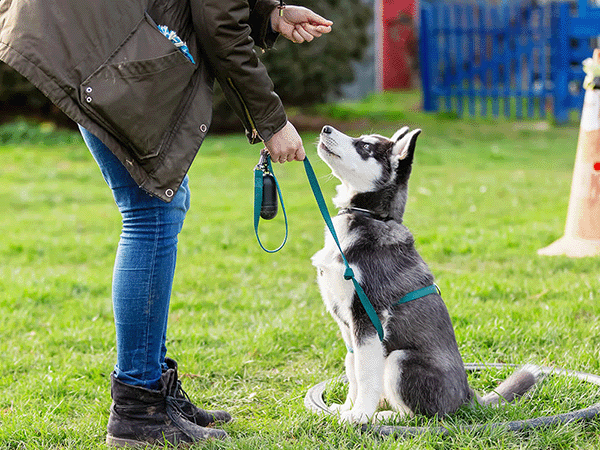
The Best Dog Trainers in the United States of 2026
This is a list of the top dog trainers in the United States, based on votes from the Sniffspot community and the general public.
The Best Dog Trainers in Seattle, WA of 2026
This is a list of the top dog trainers in Seattle, WA, based on votes from the Sniffspot community and the general public.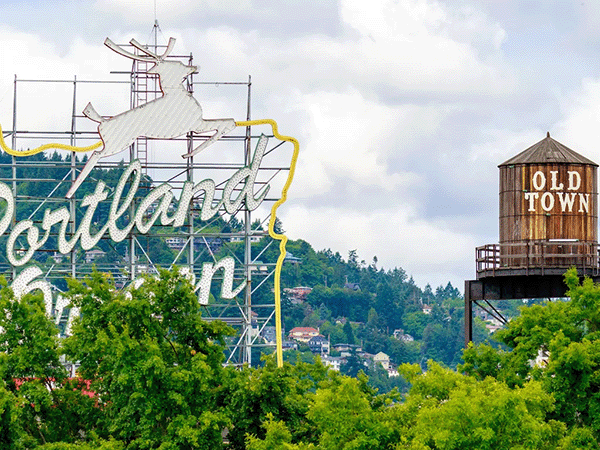
The Best Dog Trainers in Portland, OR of 2026
This is a list of the top dog trainers in Portland, OR, based on votes from the Sniffspot community and the general public.
The Best Dog Trainers in Los Angeles, CA of 2026
This is a list of the top dog trainers in Los Angeles, CA, based on votes from the Sniffspot community and the general public.
The Best Dog Trainers in New York, NY of 2026
This is a list of the top dog trainers in New York, NY, based on votes from the Sniffspot community and the general public.


City dog park guides

Best Dog Fields in the US: 25+ Wide-Open Spaces for Your Pup to Run Free
The best dog fields in the US offer something that traditional enclosed parks simply can't match: acres of open space where your pup can truly stretch their...
Top 10 Indoor Dog Parks: A US Guide
Looking for a space to play with your dog no matter what the weather’s like outside? Look no further than our list of the best indoor dog parks in the United...
Best Dog Parks in the US: Ultimate Guide to Public & Private Off-Leash Adventures
Is your pup giving you those pleading "let me run free" eyes? Whether you're a new dog parent or a seasoned pro looking for fresh adventures, finding the...
Dog Parks Near Me: Las Vegas Edition
Looking for the perfect dog park near me in Las Vegas? You're in luck! This guide explores all the best options for your pup, from public dog parks to...Best Dog Parks in the US: Off-Leash Guide
Looking for the perfect dog park? Whether you need a wide-open public space or a private, fenced-in spot, this guide will help you find the best dog parks...
Sniffspot: Portland's Best Private Dog Parks
Ready to discover Portland's best dog parks? Whether you're looking for a public park or the unique experience of a private Sniffspot, this guide has you...


Dog breeds

German Shepherd Guide: Best Family Dog? Truth from 9K Owners
The German Shepherd Dog (GSDs) are known for their intelligence, loyalty, and striking appearance. They're also incredibly versatile, excelling as working...
Labrador Retriever: Real Tips from Owners
Discover the Labrador Retriever, a breed celebrated for its playful nature, affectionate temperament, and trainability. Labradors are known for their...
Golden Retriever Advice: The Complete Owner's Guide
Golden Retrievers: they're gorgeous, playful, and incredibly popular. But before you welcome one into your home, you need the right golden retriever advice....
Are American Staffordshire Terriers Good for First-Time Owners: Complete Guide
Think American Staffordshire Terriers are tough? Think again. While their muscular build might intimidate some, these dogs are known for their playful and...
Australian Shepherd Facts: Breed Info & Care Guide
Discover the Australian Shepherd, an AKC breed celebrated for its trainable, playful, and affectionate nature. Despite its name, the Australian Shepherd is...
Essential Husky Facts for Owners: Breed Guide
Discover the Siberian Husky, a breed celebrated for its curious, intelligent, and loyal nature. Considered a medium-sized dog, Siberian Huskies were...


Top dog names in the US
Top 1,000 Most Popular Dog Names
Looking for the perfect dog name for your new pup? We have created filterable lists of dog names from our database of hundreds of thousands of Sniffspot users.
Most Popular Male Dog Names
Looking for the perfect dog name for your new male pup? We have created filterable lists of male dog names from our database of hundreds of thousands of...
Most Popular Female Dog Names
Looking for the perfect dog name for your new female pup? We have created filterable lists of female dog names from our database of hundreds of thousands of...
Most Popular Golden Retriever Names
Welcome to our comprehensive list of Golden Retriever dog names, curated from our vast database of Sniffspot users.
Most Popular Labrador Retriever Names
Welcome to our Labrador Retriever dog names page! Here you can browse through filterable lists of names for your beloved furry friend, ranging from cute and...


Top dog rescues in the US

The Best Washington Dog Rescues & Shelters in 2026
This list showcases the top dog rescues & shelters in Washington. These remarkable organizations have been recognized for their unwavering dedication to the...
The Best Oregon Dog Rescues & Shelters in 2026
This list showcases the top dog rescues & shelters in Oregon. These remarkable organizations have been recognized for their unwavering dedication to the...
The Best California Dog Rescues & Shelters in 2026
This list showcases the top dog rescues & shelters in California. These remarkable organizations have been recognized for their unwavering dedication to the...
The Best Florida Dog Rescues & Shelters in 2026
This list showcases the top dog rescues & shelters in Florida. These remarkable organizations have been recognized for their unwavering dedication to the...
The Best New York Dog Rescues & Shelters in 2026
This list showcases the top dog rescues & shelters in New York. These remarkable organizations have been recognized for their unwavering dedication to the...


