Top articlesSee all...

A Comprehensive Guide to Dog Exercise

How To Crate train An Older Dog - A Comprehensive Guide

How To Socialize A Dog - A Comprehensive Guide

Leash Training: A Guide to Training Your Dog to Walk on a Leash

Skijoring: A Guide to Skijoring with Dogs

The Best Dog Enrichment Toys

The Best United States Dog Parks

The Best Indoor Dog Parks in the United States

The Best Off-Leash Dog Parks in the United States
Top articles
A Comprehensive Guide to Dog Exercise
How To Crate train An Older Dog - A Comprehensive Guide
How To Socialize A Dog - A Comprehensive Guide
Leash Training: A Guide to Training Your Dog to Walk on a Leash
Skijoring: A Guide to Skijoring with Dogs
The Best Dog Enrichment Toys
The Best United States Dog Parks
The Best Indoor Dog Parks in the United States
The Best Off-Leash Dog Parks in the United States
See all...Which Airlines Let Your Dog Fly in the Cabin?


Planning to travel with your furry co-pilot? For many pet parents, leaving their dogs behind isn't an option. Whether you're relocating, vacationing, or visiting family, knowing which airlines allow dogs in cabin as carry-on pets and understanding their pet policies can make all the difference between a stress-free journey and a ruff time at the airport.
In this comprehensive guide, we'll explore the pet policies of major airlines in the US, Canada, and Europe, helping you navigate the sometimes confusing world of flying with dogs. We've fetched all the important details about size restrictions, carrier requirements, fees, and which airlines truly roll out the red carpet for your canine companion.
And because the adventure doesn't end at the gate, we'll also show you how to give your pup a soft landing. A private, off-leash Sniffspot is a great place to burn off pre-flight energy and shake off the carrier blues once you've touched down.
This post has been updated as of October 11, 2026.
Quick Reference: Airlines That Allow Dogs in Cabin
 Source: Sniffspot Independent Research, 2026
Can Service Dogs Fly in the Cabin?
Service dogs receive special treatment on virtually all airlines, as they should! These hardworking pups assist people with disabilities and perform essential tasks that their handlers cannot do independently. If you're wondering which airlines allow dogs in cabin as carry-on pets that are working as a service pet, you're in luck. Here's what you need to know about flying with service animals:
- Service dogs fly free on most airlines, exempt from the pet fees other animals must pay
- No carrier required – properly trained service dogs can sit at their handler's feet or on their lap (if small enough)
- Size restrictions don't apply – airlines must accommodate service dogs regardless of breed or size
- Documentation requirements vary by airline and destination, but typically include: Verification of training/certification and veterinary health certificates
Important Note: Since 2021, most US airlines no longer recognize emotional support animals (ESAs) as service animals. Emotional support animals now generally fall under standard pet policies, including size restrictions and fees. Only dogs that have been specifically trained to perform tasks for a person with a disability qualify as service animals under Department of Transportation rules.
Documentation Timing: For international travel with service dogs, begin preparing documentation at least 30 days before your trip, as some countries have strict entry requirements and quarantine procedures.
Which US Airlines Allow Dogs in Cabin?
When it comes to flying with your furry friend as carry-on pets domestically and in North America, US carriers offer a range of pet-friendly options. Most major airlines welcome small dogs in the cabin, though policies, prices, and restrictions vary significantly.
According to our Sniffspot research with real dog owners, 82% of respondents had no airline preference when traveling with dogs, suggesting that many pet parents either don't fly frequently with their dogs or find the experience similar across carriers. However, those who do fly with their pets shared some valuable insights about their preferred airlines.
 Source: Sniffspot 2024 Dog-Friendly Airline Survey
Alaska Airlines
Alaska Airlines offers one of the more pet-friendly policies among major carriers, though it does come with some limitations you should be aware of.
- Pet Fee: $100 each way in the cabin ($200 each way per kennel in the baggage compartment)
- Allowed Pets: Dogs, cats, rabbits, household birds
- Cabin Limits: 3 pets in first class, 8 in coach
- Special Notes: Odorous or noisy animals must travel in the baggage compartment, so make sure to bathe your buddy beforehand
- Hawaiian Airlines: Alaska and Hawaiian Airlines are now combined and share the same pet policies, including the same cabin limits.
Our Sniffspot research shows Alaska Airlines is the third most popular airline among dog owners at 3.5%. One user shared: "Alaska Airlines is very friendly and experienced with dogs. They're always accommodating when traveling with my dog." Another mentioned they chose Alaska because it's "easy to board with my service dog."
American Airlines
Secondly, American Airlines keeps their pet policy fairly straightforward, though they're more limited in the types of animals permitted in the cabin.
- Pet Fee: $150 per kennel, each way
- Allowed Pets: Only dogs and cats
- Weight Limit: No general weight limit as long as your pet fits comfortably in a carrier under the seat (the 20 lb pet-plus-carrier limit applies only on American's three-cabin A321T aircraft)
- Cabin Limits: Up to 20 pet carriers on American mainline flights, and 5 in the main cabin on American Eagle flights
- Destinations: Most flights up to 12 hours within the 48 contiguous states, plus Canada, Alaska, Mexico, Puerto Rico, St. Croix, and St. Thomas. No carry-on pets on trans-Atlantic or trans-Pacific flights, or to/from Hawaii or Jamaica.
- Carrier Size: Soft-sided carriers up to 18" L x 11" W x 11" H (recommended); hard-sided up to 19" x 13" x 9" on American mainline flights and 16" x 12" x 8" on American Eagle flights
- Cargo: American only accepts checked pets for active-duty U.S. military and State Department Foreign Service personnel traveling on official orders
American Airlines was preferred by 2% of Sniffspot survey respondents who travel with their dogs. One traveler noted, "I've always used American Airlines - they're accommodating and make the process easy." Another mentioned that they chose American because they were "friendly and comfortable with my dog, which made us both feel welcome."
For more details on flying with your pup on American Airlines, review our full guide to American Airline’s pet policies.
Delta Airlines
Similarly, Delta offers some flexibility for pet parents, especially those with new litters or young animals traveling together.
- Pet Fee: $150 one-way (US/Puerto Rico/US Virgin Islands/Canada, for tickets issued on or after April 8, 2025) | $200 one-way (International)
- Allowed Pets: Dogs, cats, household birds
- Age Requirements: At least 8 weeks old for domestic travel, 15 weeks for travel to the EU, and 6 months old for dogs entering the U.S. from another country
- Special Accommodation: One female with an un-weaned litter can travel together, and two pets of the same breed and size between 8 weeks and 6 months may share a kennel
- Cabin Limits: 4 pets in Delta Comfort/Main, 2 in domestic Delta First, and none in Delta One, Delta Premium, or international Business
- Restrictions: No in-cabin pets to or from Hawaii, the UK, Australia, New Zealand, Iceland, Hong Kong, Jamaica, Barbados, South Africa, or the UAE
- Cargo: Delta has paused pet cargo for the general public. Checked pets are limited to active-duty U.S. military and State Department Foreign Service personnel on Permanent Change of Station (PCS) orders. Dogs too large for an in-cabin carrier can't fly on Delta.
Delta Airlines ranked as the most popular airline for dog travel in our Sniffspot survey, with 4% of respondents choosing it as their preferred carrier. One frequent flyer commented, "Delta is always accommodating and seems to be a dog-friendly company." Another pet parent shared, "Delta provides comfort seating which makes traveling with my furry companion much easier," while a third noted they chose Delta because "They're very good with dogs when seated."
Frontier Airlines
Frontier Airlines might advertise that "kids fly free," but fur-babies will cost you a flat rate regardless of destination. Here's what to expect when flying Frontier Airlines.
- Pet Fee: $99 one-way pet travel fee
- Allowed Pets: Dogs, cats, hamsters, rabbits, guinea pigs, household birds
- Carrier Size: Hard-sided carriers up to 18" L x 14" W x 8" H; soft-sided carriers up to 18" L x 14" W x 11" H (soft-sided is recommended)
- Important Restriction: No pets allowed in cargo, meaning large dogs cannot fly Frontier
- International: Frontier no longer accepts new pets on international flights (service animals only)
- Seating: Pets can't sit in row 1 or in an exit row
JetBlue
JetBlue keeps their pet policy simple, though they have stricter size limitations than some other carriers.
- Pet Fee: $150 each way (or redeemable with TrueBlue points)
- Allowed Pets: Small dogs and cats only
- Weight Limit: Combined weight of pet and carrier cannot exceed 20 lbs
- Carrier Size: Max dimensions 17" L x 12.5" W x 8.5" H
- Cabin Limit: 6 pets per flight
- Restrictions: No pets on flights to/from the UK (including London) or Trinidad and Tobago, and no pets in Mint
 @BarkAir on Instagram
Southwest Airlines
Southwest keeps their pet policy as straightforward as their boarding process, though international travelers will need to make other arrangements.
- Pet Fee: $125 each way, per carrier
- Allowed Pets: Small, vaccinated cats and dogs only
- Carrier Size: Max dimensions 18" L x 10.5" W x 10" H
- Cabin Limit: 6 pets per flight
- Restrictions: No pets on international flights or flights to/from Hawaii
- Carrier Rules: One carrier per passenger, and up to two pets of the same species can share a carrier if there's room. Pets must be at least 8 weeks old.
Southwest Airlines was the second most popular choice among Sniffspot survey respondents at 3.6%. Travelers appreciate Southwest's straightforward approach, with one respondent noting, "Southwest offers easy seating when traveling with my dog." Another mentioned they chose Southwest because it was "friendly and America's most reliable for pet travel." The airline's simplified boarding process seems particularly appealing to those traveling with pets.
United Airlines
United keeps their pet policy relatively simple, though they have extensive destination restrictions.
- Pet Fee: Starts at $150 one-way and increases based on the length of your layover
- Allowed Pets: Dogs and cats only
- Restrictions: Extensive list of countries where pets cannot fly in cabin (see below)
- Cargo: United doesn't offer pet cargo to general passengers. Checked pets and cargo are limited to active-duty U.S. military and State Department personnel traveling on official orders.
For more details on flying with your dog on United, review our full guide to United Airline’s pet policy.
Countries where United does not allow pets in cabin include: Australia, Barbados, Cuba, Guam, Hawaii, Hong Kong, Iceland, Ireland, Jamaica, New Zealand, UK, and several others.
Landing somewhere new? Don't let the airport be your dog's only stretch. Browse private dog parks on Sniffspot near your destination and give your pup some well-deserved off-leash time after the flight.
Which Canadian Airlines Allow Dogs in Cabin?
Heading north with your furry friend? Canadian carriers offer relatively straightforward pet policies for those crossing borders or traveling within the Great White North.
According to our Sniffspot research, most dog owners traveling to or within Canada report that they found the pet policies on Canadian airlines to be somewhat more difficult to navigate than traveling without dogs, but appreciated the clear guidelines provided by these carriers.
Air Canada
To begin, Air Canada welcomes the smallest members of your family, though you'll need to check in with an attendant rather than using self-service options.
- Pet Fee: $50 one-way (within Canada and US, except Hawaii) $100 one-way (international flights)
- Allowed Pets: Cats and small dogs
- Carrier Size: Soft-sided carriers only (hard-sided carriers have not been allowed in the cabin since June 1, 2025); size limits vary by aircraft and cabin
- Age Requirement: Pets must be at least 12 weeks old
- Cabin Restriction: Pets can't travel in the cabin in Premium Economy.
WestJet
Next, WestJet stands out for their accommodation of "working dogs," offering the option to purchase an adjacent seat.
- Pet Fee: $50-$59 (within or between Canada and US) $100-$118 (international)
- Allowed Pets: Dogs, cats, rabbits, household birds
- Carrier Size: Soft-sided only, max dimensions 16" L x 10" W x 8.5" H
- Special Accommodation: Working dogs (search and rescue, police, service animals) may have a second seat purchased beside them
Our survey showed that WestJet is particularly popular among owners of larger dogs, with one respondent specifically noting, "WestJet allows me to purchase a second seat for my working dog, which makes travel so much more comfortable for both of us. Plus the flight attendant helping us board was so nice!" This airline also appears in our list of airlines that accommodate large dogs in-cabin, making it a versatile choice for many Canadian dog owners.
Heading north? Sniffspot has private dog parks in Canadian cities including Calgary, Edmonton, Ottawa, Toronto, and Vancouver, so your pup can run off the travel jitters once you land. Find a Sniffspot near your Canadian destination.
Which European Airlines Allow Dogs in Cabin?
Planning a European vacation with your canine companion? European airlines tend to have some distinct differences from their North American counterparts when it comes to pet travel.
Our Sniffspot research revealed that 88% of respondents found traveling with dogs to European destinations either "somewhat more difficult" or "much more difficult" than traveling without pets. The main challenges cited were documentation requirements and finding accommodations that accept pets once they arrived. However, many noted that European destinations tend to be more dog-friendly overall once you're there.
Aegean Airlines
To start, Greece's largest airline, Aegean, keeps their pet policy simple but restrictive.
- Pet Fee: $30 within Greece $60 internationally
- Allowed Pets: Dogs and cats only
- Weight Limit: Maximum 8 kg (about 17.5 lbs)
- Restrictions: You may not travel with both a pet and an infant
- Requirements: Pets must be microchipped and have received rabies vaccine within 21 weeks of flight
Air Europa
Conversely, Air Europa offers one of the more diverse pet-friendly policies among European carriers.
- Pet Fee: EUR 25/USD 27 (Mainland Spain, Balearic Islands, Canary Islands) EUR 50/USD 55 (Europe and Africa)
- Allowed Pets: Dogs, cats, small birds, fish, aquarium turtles, hamsters, guinea pigs, small rabbits
- Long-haul Restriction: Only dogs and cats permitted on long-haul flights
- Age Requirement: At least three months old and fully vaccinated
- Carrier Limits: Max dimensions 21.6" L x 13.7" W x 9.8" H, with total weight (pet + carrier) not exceeding 22 lbs
- Special Accommodation: Up to three animals of the same species are allowed in one carrier
Air France
Air France maintains consistent size restrictions but varies their fees based on destination.
- Pet Fee: €70 to €200 each way, depending on the route (domestic, European, or long-haul)
- Allowed Pets: Dogs and cats only
- Weight Limit: Maximum 8 kg (17 lbs)
- Carrier Size: Soft-sided carriers only, max dimensions 18" L x 11" W x 9" H (46 x 28 x 24 cm); the pet must stay in the closed carrier for the whole flight
- Requirements: Pets traveling within the EU must be microchipped and have passports that certify vaccination status
- Restrictions: No in-cabin pets in Business class on intercontinental flights, on certain long-haul flights, or on flights to the UK or South Africa
Lufthansa
Germany's largest airline, Lufthansa, keeps their policy streamlined but requires advance registration.
- Pet Fee: Typically €60 to €110 each way for the cabin (roughly $125 USD on some routes), depending on the route
- Allowed Pets: Dogs and cats only
- Weight Limit: Maximum 8 kg (17 lbs) including carrier
- Registration Requirement: Must register your pet at least 72 hours before takeoff
- Carrier Size: Max 55 x 40 x 23 cm (about 21.7" x 15.7" x 9")
- Age Requirement: Pets must be at least 12 weeks old (16 weeks for travel to/from the United States)
Vueling
Finally, the budget Spanish airline Vueling keeps their pet allowance limited but offers reasonable fees.
- Pet Fee: $40 (Domestic flights) $50 (International flights)
- Allowed Pets: Dogs, cats, household birds, turtles, tortoises
- Carrier Limits: Max dimensions 17.7" L x 15.3" W x 8.2" H, with total weight (pet + carrier) not exceeding 22 lbs
- Cabin Limit: Only 3 pets allowed per flight
- Requirements: Dogs and cats must be microchipped with up-to-date rabies vaccines

Airlines that Allow Large Dogs in Cabin
If your pup is on the larger side (generally over 17 lbs), your options are more limited when it comes to which airlines allow dogs in cabin. However, they're not non-existent. These airlines offer accommodations for larger dogs in the cabin:
Many of these carriers require purchasing an additional seat for your pet, with prices varying based on domestic vs. international travel and your dog's weight. In other cases, your pet acts as your personal item under the seat in front of you. For the largest breeds, cargo may still be the only option on many airlines.
JSX update: JSX no longer flies pets for free. Cats and small dogs under 30 lbs fly in the cabin for $100 each way in an approved carrier (no larger than 13" W x 11" H x 17" L). Medium-to-large dogs under 80 lbs can fly too if you buy an adjoining seat for floor space, and dogs aren't allowed on seats. JSX allows a maximum of five pets per flight.
According to our Sniffspot survey, 41% of respondents have large dogs, making this information particularly valuable. One large dog owner shared, "Finding an airline that would accommodate my 70-pound Lab was the most challenging part of trip planning. We eventually chose JSX and it was worth every penny to have her with us rather than in cargo."
Another respondent with a German Shepherd mentioned, "We specifically chose WestJet for our cross-country move because they were the only mainstream airline willing to work with us on accommodating our large dog in the cabin."
Alternatives to Flying Commercial Airlines
Not thrilled about navigating commercial airline pet policies or worried your furry friend is too large for the cabin but you don't want them in cargo?
There are several alternatives that might be more comfortable for both you and your dog—though they typically come with a higher price tag.
Charter Flights
Private charter flights offer the ultimate flexibility for flying with dogs of any size:
- No size or weight restrictions for your dog
- No carrier requirements – your dog can often sit with you or move around the cabin
- No sharing space with strangers who might be allergic or uncomfortable around dogs
- Custom scheduling that works with your timing, not an airline's fixed schedule
- Direct routes to your destination, minimizing travel time and stress
Charter companies like NetJets, VistaJet, and Wheels Up welcome pets aboard with minimal restrictions. While charter flights are significantly more expensive than commercial flights (typically starting at $5,000-$15,000 depending on distance), they offer an unparalleled experience for those who can afford it.
According to our Sniffspot survey, several respondents with large or reactive dogs mentioned charter options as their preferred method when cost wasn't a concern. One dog owner shared: "After a stressful experience trying to fly my Great Dane commercially, we saved up for a charter flight for our next vacation. It was expensive but absolutely worth it—he could sit next to me, get up and stretch, and there was zero stress for either of us."
Another respondent said: "My dog doesn't do well with crowds or loud noises, so we chartered a small plane through JSX for our family reunion. The pilot even let my dog visit the cockpit before takeoff, which made for an amazing experience. A pet-friendly airline made a big difference!"
Pet-Specific Airlines
A few companies specialize exclusively in pet transport:
- Pet Airways (currently not operating but planning to resume service)
- Pet Jets (charter service specifically for pet transport)
These services are designed with animal comfort as the priority, with staff trained in pet handling and care.

Other Transport Options
As you can see, it's not always clear which airlines allow dogs in cabin, and these policies are often restrictive. If flying isn't a necessity, consider these alternatives:
- Car travel – The most flexible option, allowing complete control over your schedule and frequent breaks for your dog. Plan those breaks at a Sniffspot, where your pup can stretch out and sniff around off-leash in a private space
- Train travel – Amtrak allows small dogs (up to 20 pounds including the carrier) for trips up to seven hours; the pet fee is charged for each trip segment
- Cruise ships – Select cruise lines like Cunard's Queen Mary 2 offer kennel facilities for transatlantic crossings
- Professional pet transport services – Companies that specialize in safely moving pets domestically or internationally
Our survey revealed that 15% of respondents cited transportation as their biggest challenge when traveling with dogs. For many, driving became the preferred option. "We've changed all our vacations to road trips since getting our dog," shared one Sniffspot user. "We can control the environment, take breaks when needed, and our Border Collie actually loves car rides now. We've discovered so many amazing places we would have never seen if we were flying everywhere."
Another respondent who frequently travels with their reactive dog mentioned: "After researching all options, we bought an RV specifically for traveling with our dogs. We're like home but traveling. They have their beds, toys, and routine, plus we never have to worry about pet policies or disrupting other travelers."
When to Consider Alternatives
Alternative transportation methods may be particularly worth considering if:
- Your dog is extremely large
- Your dog experiences severe anxiety when confined
- You have a dog that falls under airline breed restrictions
- You're traveling with multiple pets
- You're concerned about cargo hold conditions
- Your dog has health issues that make traditional air travel risky
- You're relocating internationally with complex pet import requirements
"My best travel advice is to know your dog and be realistic about their needs," advised one dog owner from our survey. "We chose to drive 14 hours rather than fly 2 hours because our Aussie would have been miserable in a carrier under a seat. The drive was actually enjoyable for all of us, and it was a lot easier than arranging a domestic airline flight."
A German Shepherd owner shared: "After calculating all the added costs of flying with my dog—the fees, the special carrier, potential hotel stays due to limited flight options—I realized that driving was actually less expensive and infinitely less stressful for both of us."
Remember that while these alternatives often provide a more comfortable experience for your pet, they typically require more planning, time, and financial investment than standard commercial flights.
Whether you fly, drive, or ride the rails, build in time for your dog to move. Sniffspot lets you book a private off-leash space by the hour, so you can add a decompression stop to any itinerary. Find a Sniffspot along your route.

Frequently Asked Questions
Which airline allows dogs in cabin with their owners?
Alaska Airlines is often considered one of the most pet-friendly major carriers, with a $100 each-way in-cabin fee and a baggage-compartment option for larger pets ($200 each way per kennel). For larger dogs, JSX and La Compagnie offer more accommodating policies. Keep in mind that dogs cannot sit in an emergency exit row of any airline.
How much does it cost to fly with a dog in cabin?
Fees range from about $50 to $200 each way, depending on the airline and destination. Most major U.S. airlines now charge $99 to $150 each way for domestic flights, and international flights typically cost more.
Can large dogs fly in cabin?
Most major airlines only allow dogs small enough to fit in a carrier under the seat (and some, like JetBlue, cap the combined weight of pet and carrier at 20 lbs), but select airlines like JSX, La Compagnie, Elite Airways, and WestJet offer accommodations for larger dogs, usually requiring the purchase of an additional seat. For more info, review our guide to flying with large dogs.
Do airlines require health certificates for pets?
Health certificates are generally required for international travel and sometimes for domestic flights. Requirements vary by airline and destination, so check specific requirements when booking.
What type of pet carrier is best for airline travel?
Soft-sided carriers that comply with airline size restrictions are usually best, as they can compress slightly to fit under seats. Look for carriers with proper ventilation, waterproof bottoms, and comfortable padding. Again, pets cannot sit in any emergency exit rows and must comfortably fit under the seat in front of you.
Can I take my dog out of the carrier during the flight?
Generally, no. Most airlines require pets to remain in their carriers for the entire duration of the flight, except for service animals.
How should I prepare my dog for their first flight?
Start carrier training weeks in advance, visit your vet for a pre-travel checkup, exercise your dog before the flight (a private Sniffspot session the day before or the morning of is a great way to burn off energy), and bring familiar items from home to help keep them calm. Dogs are not permitted on planes if they have any type of disruptive behavior.
Where can my dog stretch their legs before or after a flight?
Airports have pet relief areas, but they're small and busy. For real off-leash time, book a private Sniffspot near your airport or destination so your dog can run, sniff, and decompress away from crowds. Availability varies by city, so browse spots before you travel.
Resources for Dog Travelers
- Sniffspot's Guide to Airline Dog Policies
- TSA Pet Travel Information
- USDA Animal and Plant Health Inspection Service
- International Air Transport Association (IATA) Live Animals Regulations
- Find a private dog park near your destination on Sniffspot
Are You Ready to Fly with Your Dog?
Traveling with your four-legged friend doesn't have to be stressful. With proper planning and the right airline choice, you and your pup can have a pawsitively wonderful journey together.
Remember that airline policies can change, so always verify the most current information directly with your chosen carrier before booking. If you want to know which airlines allow dogs in cabin, you might have to clarify directly with each individual airline. Happy travels to you and your furry co-pilot!
Flight booked? Give your dog a soft landing. Find a private, off-leash Sniffspot near your destination (or your departure airport) so your pup can stretch, sniff, and shake off the carrier after the flight.


Most recent articles


Related articles
Top dog guides per area
Dog training guides

Best Dog Fields in the US: 25+ Wide-Open Spaces for Your Pup to Run Free
The best dog fields in the US offer something that traditional enclosed parks simply can't match: acres of open space where your pup can truly stretch their legs and run at full speed. From Colorado's 470-acre prairie meadows to Tennessee's...
Dog Food Aggression & Resource Guarding Guide
Does your dog ever growl when you walk by their food dish? Maybe they get possessive of treats, carrying them far away and giving you side-eye when you start to approach — or snarling at your other pets or children if they get too close.
The Ultimate Guide to Scent Training for Dogs
Your dog's nose is an amazing tool. Did you know they have 40 times the olfactory receptors than humans? Scent training for dogs taps into this superpower, turning everyday moments into exciting sniff-fests. It's enriching for all types of dogs –...
How Much Does It Cost to Train a Service Dog?
More than 80 million Americans rely on their service dogs to help them navigate the world. Task-trained assistance animals perform a huge range of life-changing—in many cases, life-saving—services: These dogs act as eyes for visually impaired...
How to Deal With Puppy Potty Training Regression
You thought those dreaded middle-of-the-night potty breaks were over. You were finally free from cleaning up puppy puddles. Then, suddenly, your six-month-old who's been accident-free for weeks starts peeing on your rug again.
Dirty Dog Syndrome: Causes, Solutions, and Prevention
It's a cringe-worthy moment every dog owner dreads: your furry friend chowing down on something truly disgusting. If your dog has a penchant for poop, you're dealing with coprophagia. It's more common than you think, and thankfully, often...


Dog enrichment guides
Best Dog Fields in the US: 25+ Wide-Open Spaces for Your Pup to Run Free
The best dog fields in the US offer something that traditional enclosed parks simply can't match: acres of open space where your pup can truly stretch their legs and run at full speed. From Colorado's 470-acre prairie meadows to Tennessee's...
Best Dog Water Parks in the US: 15+ Amazing Splash Destinations for Your Pup
Do you have a water-loving dog looking to burn some energy? There are countless dog parks to visit throughout our country — but some of them become far too hot in the midday sun to be safe for your pets to play. That’s why we’ve put together a...
Best Toys for Herding Dogs: Keeping Your Pup Happy & Engaged
Herding dogs are amazing, intelligent companions. But that also means they need more than just a simple game of fetch. Finding the right toys for herding dogs is key to keeping them happy and stimulated. This article explores some of the best toys...
Tough Dog Toys for Aggressive Chewers: A Practical Guide
Does your dog destroy every toy you give them? Is your house littered with the remnants of plush toys? Are you tired of wasting money on "indestructible" dog toys for aggressive chewers that don't last? Then this post is for you. We'll cover...
Dog Exercise Calculator: How Much Exercise Does Your Dog Need?
Every dog needs to move, but how much is actually enough? The answer depends on more than just breed. Age, health, and even your own lifestyle all play a role in figuring out the right daily exercise routine for your pup.
Complete Guide To Herding With Dogs
* All Sniffspot articles are reviewed by certified trainers for quality, please see bottom of article for details *


Dog reactivity guides
Best Dog Fields in the US: 25+ Wide-Open Spaces for Your Pup to Run Free
The best dog fields in the US offer something that traditional enclosed parks simply can't match: acres of open space where your pup can truly stretch their legs and run at full speed. From Colorado's 470-acre prairie meadows to Tennessee's...
Rottweiler Aggression: Signs, Causes & Training
Many dogs have gotten a bad reputation over the years for being "dangerous breeds." Rottweilers are among them. Like pit bulls and other large, blocky-headed types of dogs, these powerful and beautiful animals are often assumed to be aggressive.
The Reactive Dog Chart: How to Calm Your Dog's Triggers
If your dog lunges, barks, or loses their mind at the sight of another dog, a stranger, or a bicycle, you’re living with a reactive dog (and you’re far from alone). Dog reactivity is one of the most common behavioral challenges dog owners face,...
How to Socialize a Reactive Dog: A Step-by-Step Guide
Does your dog display reactivity to other pets or people—barking, lunging, or growling when they see their triggers? Whether they're a rescue still settling in, missed critical socialization as a puppy, or had a negative experience that changed...
What Is a Reactive Dog? The Complete Guide for Understanding and Helping Your Pup
Does your dog transform into a barking, lunging tornado the second they spot another dog across the street? You're definitely not alone. According to our research of over 4,000 dog owners, 66% of dogs show some signs of reactivity.
9 Best Online Communities for Reactive Dog Parents
Does your dog's reactivity make walks stressful? You're not alone. Many dog owners face similar challenges. This guide offers practical advice and support for managing reactivity, including finding the best online dog training for reactive dogs....


Sniffspot community guides
Best Dog Fields in the US: 25+ Wide-Open Spaces for Your Pup to Run Free
The best dog fields in the US offer something that traditional enclosed parks simply can't match: acres of open space where your pup can truly stretch their legs and run at full speed. From Colorado's 470-acre prairie meadows to Tennessee's...
The State of Public Dog Parks Across the United States
From 2009 to 2020, there was a 40 percent increase in the development of public dog parks. Designated spots for canine exercise have become commonplace in every major city in North America — many pet owners won’t even consider renting an apartment...
How This Family is Affording Their Dream Property Through Renting it Hourly to Dogs
Thousand Oaks, California has been a safe haven for Sniffspot host, Jen, since childhood. Having grown up in busy Santa Barbara, Jen, an introvert from an early age, would seek out solitude and serenity away from tourists attractions and droves of...
Host Tips: Ellen K. What Makes Sniffspot Successful for Me
Ellen is the host of Country Pasture Getaway, one of Sniffspot's most popular sniff spots. She has taken the time to write up the lessons she has learned about how to be a great sniff spot host.
How this Oregon Farmer is Making a Business From Renting Her Land to Dogs
Just 20 minutes outside of the busy city of Portland, Oregon, and settled right on the banks of the Columbia River, you’ll find what countless visitors have flocked to the area in search of – mountain views, crisp, clean air, and running water for...
Host Tips: Fran T. Providing Great Guest Service at our Spot
Fran is the host of Ranch Setting, one of Sniffspot's most popular spots. She has taken the time to write up the lessons she has learned about how to be a great Sniffspot host.


Top dog trainers in the US
The Best Dog Trainers in the United States of 2026
This is a list of the top dog trainers in the United States, based on votes from the Sniffspot community and the general public.
The Best Dog Trainers in Seattle, WA of 2026
This is a list of the top dog trainers in Seattle, WA, based on votes from the Sniffspot community and the general public.
The Best Dog Trainers in Portland, OR of 2026
This is a list of the top dog trainers in Portland, OR, based on votes from the Sniffspot community and the general public.
The Best Dog Trainers in Los Angeles, CA of 2026
This is a list of the top dog trainers in Los Angeles, CA, based on votes from the Sniffspot community and the general public.
The Best Dog Trainers in New York, NY of 2026
This is a list of the top dog trainers in New York, NY, based on votes from the Sniffspot community and the general public.


City dog park guides
Best Dog Fields in the US: 25+ Wide-Open Spaces for Your Pup to Run Free
The best dog fields in the US offer something that traditional enclosed parks simply can't match: acres of open space where your pup can truly stretch their legs and run at full speed. From Colorado's 470-acre prairie meadows to Tennessee's...
Top 10 Indoor Dog Parks: A US Guide
Looking for a space to play with your dog no matter what the weather’s like outside? Look no further than our list of the best indoor dog parks in the United States! These climate-controlled spaces are growing in popularity as pet ownership...
Best Dog Parks in the US: Ultimate Guide to Public & Private Off-Leash Adventures
Is your pup giving you those pleading "let me run free" eyes? Whether you're a new dog parent or a seasoned pro looking for fresh adventures, finding the perfect off-leash paradise for your furry friend can feel ruff! From sun-soaked California...
Dog Parks Near Me: Las Vegas Edition
Looking for the perfect dog park near me in Las Vegas? You're in luck! This guide explores all the best options for your pup, from public dog parks to private dog parks near me on Sniffspot. We'll help you find the ideal spot for playtime,...Best Dog Parks in the US: Off-Leash Guide
Looking for the perfect dog park? Whether you need a wide-open public space or a private, fenced-in spot, this guide will help you find the best dog parks across the US. We'll cover top-rated public parks, the perks of private dog parks, and even...
Sniffspot: Portland's Best Private Dog Parks
Ready to discover Portland's best dog parks? Whether you're looking for a public park or the unique experience of a private Sniffspot, this guide has you covered. We'll help you find the perfect spot for your pup, with tips on what to bring, how...


Dog breeds
Best Dog Fields in the US: 25+ Wide-Open Spaces for Your Pup to Run Free
The best dog fields in the US offer something that traditional enclosed parks simply can't match: acres of open space where your pup can truly stretch their legs and run at full speed. From Colorado's 470-acre prairie meadows to Tennessee's...
German Shepherd Guide: Best Family Dog? Truth from 9K Owners
The German Shepherd Dog (GSDs) are known for their intelligence, loyalty, and striking appearance. They're also incredibly versatile, excelling as working dogs and devoted family companions. This guide covers everything you need to know about...
Labrador Retriever: Real Tips from Owners
Discover the Labrador Retriever, a breed celebrated for its playful nature, affectionate temperament, and trainability. Labradors are known for their friendly demeanor and adaptability, making them perfect family companions and versatile working...
Golden Retriever Advice: The Complete Owner's Guide
Golden Retrievers: they're gorgeous, playful, and incredibly popular. But before you welcome one into your home, you need the right golden retriever advice. This guide draws on the wisdom of nearly 10,000 Golden Retriever owners, offering...
Are American Staffordshire Terriers Good for First-Time Owners: Complete Guide
Think American Staffordshire Terriers are tough? Think again. While their muscular build might intimidate some, these dogs are known for their playful and loyal personalities. This guide draws on the experience of nearly 10,000 AmStaff owners to...
Australian Shepherd Facts: Breed Info & Care Guide
Discover the Australian Shepherd, an AKC breed celebrated for its trainable, playful, and affectionate nature. Despite its name, the Australian Shepherd is actually a native breed to the United States, originally developed to breed on farms and...


Top dog names in the US
Top 1,000 Most Popular Dog Names
Looking for the perfect dog name for your new pup? We have created filterable lists of dog names from our database of hundreds of thousands of Sniffspot users. You can filter by gender, breed and state to find the most cute, unique and creative dog names.
Most Popular Male Dog Names
Looking for the perfect dog name for your new male pup? We have created filterable lists of male dog names from our database of hundreds of thousands of Sniffspot users. You can filter by gender, breed and state to find the most cute, unique and creative male dog names.
Most Popular Female Dog Names
Looking for the perfect dog name for your new female pup? We have created filterable lists of female dog names from our database of hundreds of thousands of Sniffspot users. You can filter by gender, breed and state to find the most cute, unique and creative female dog names.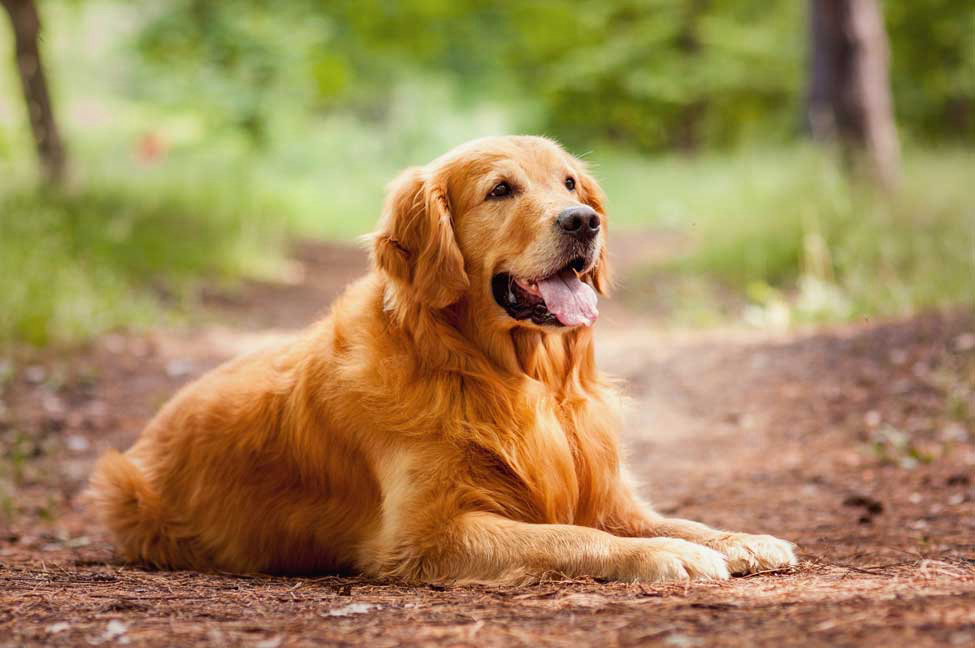
Most Popular Golden Retriever Names
Welcome to our comprehensive list of Golden Retriever dog names, curated from our vast database of Sniffspot users. Filter through hundreds of thousands of options by gender, breed, and state to discover the most adorable, original, and imaginative names for your beloved Golden Retriever.
Most Popular Labrador Retriever Names
Welcome to our Labrador Retriever dog names page! Here you can browse through filterable lists of names for your beloved furry friend, ranging from cute and classic to unique and creative options. Our database of hundreds of thousands of Sniffspot users ensures you'll find the perfect name for your Labrador Retriever, whether you're seeking a name for a male or female, based on breed or state.


Top dog rescues in the US

The Best Washington Dog Rescues & Shelters in 2026
This list showcases the top dog rescues & shelters in Washington. These remarkable organizations have been recognized for their unwavering dedication to the well-being of countless dogs.
The Best Oregon Dog Rescues & Shelters in 2026
This list showcases the top dog rescues & shelters in Oregon. These remarkable organizations have been recognized for their unwavering dedication to the well-being of countless dogs.
The Best California Dog Rescues & Shelters in 2026
This list showcases the top dog rescues & shelters in California. These remarkable organizations have been recognized for their unwavering dedication to the well-being of countless dogs.
The Best Florida Dog Rescues & Shelters in 2026
This list showcases the top dog rescues & shelters in Florida. These remarkable organizations have been recognized for their unwavering dedication to the well-being of countless dogs.
The Best New York Dog Rescues & Shelters in 2026
This list showcases the top dog rescues & shelters in New York. These remarkable organizations have been recognized for their unwavering dedication to the well-being of countless dogs.


